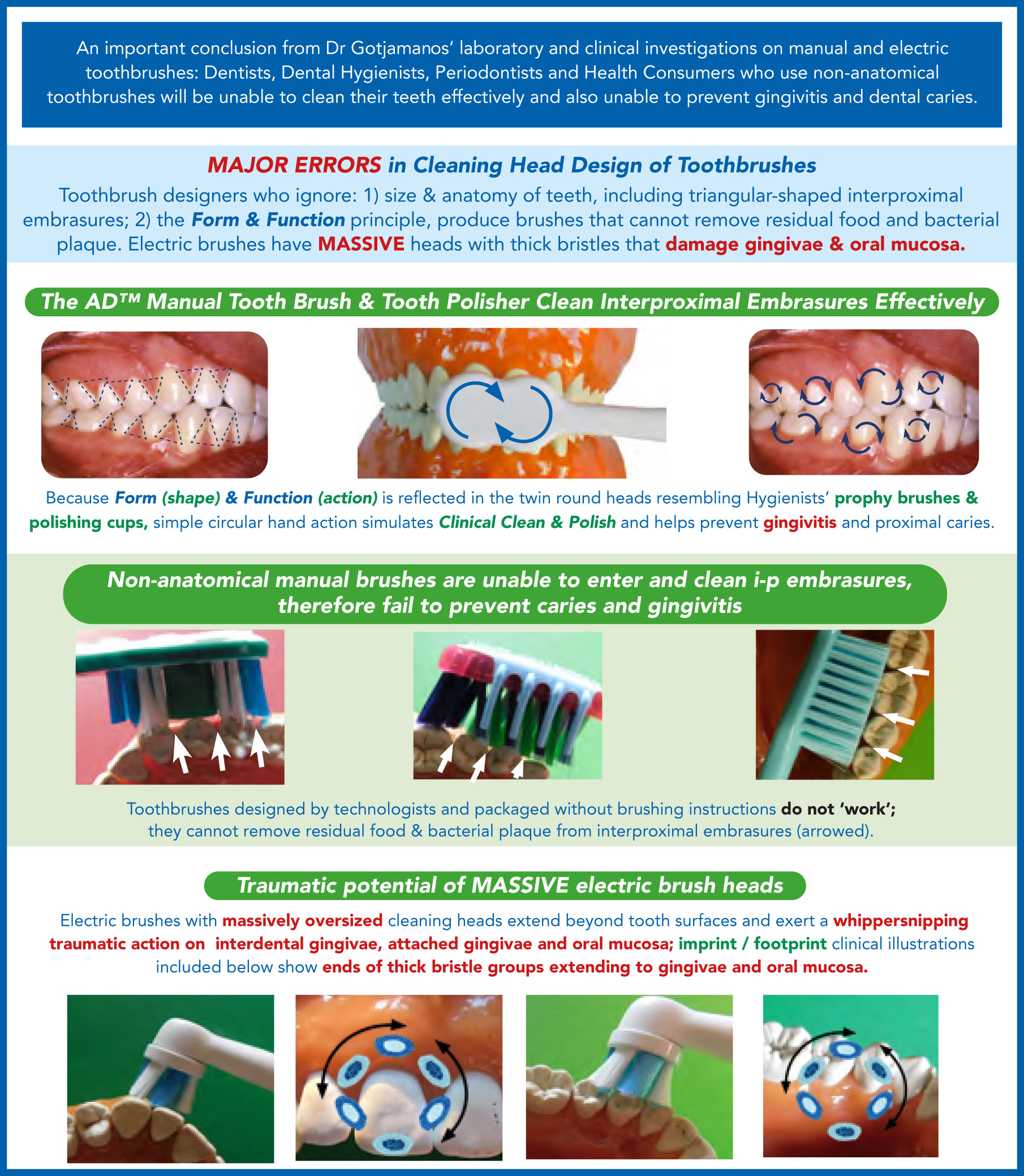
For the past 75 years, oral care product manufacturers have relied on non-clinical persons to design toothbrushes. Cleaning heads of such brushes have been too large for the human mouth, also non-complementary in size and shape to tooth anatomy. As the Form and Function principle has not been factored into brush design, the brushes are flawed and ineffective for oral hygiene.
Catchment areas for residual food and retained plaque that cause Gingivitis and Periodontitis, namely the interproximal embrasures and regions below cervical enamel ridges adjacent to marginal gingivae, are never mentioned on brush blister packs. Also absent from packaging are tooth cleaning instructions for health consumers. Such a major omission stems from brush designers’ unfamiliarity with clinical preventive dental care.
Brush heads designed by non-clinicians resemble household scrubbing brushes, massive in size, unable to be accomodated comfortably in the mouth and unable to be used in a manner simulating dental hygienists’ Dental Prophylaxis / Clinical Clean & Polish.
A Preventive Dental Care Clinician, Oral Biologist, Clinical Scientist, Pathologist and Part-Time General Practitioner has examined flawed ‘scrubber-style’ manual toothbrushes introduced over several decades, also observed with alarm the entry of dangerous electric brushes into the marketplace. Laboratory and clinical testing of manual and electric toothbrushes are detailed in this Book. Warnings of mouth and tooth pathology caused by large electric toothbrush heads are supported by damning Imprint / Footprint photographs of ‘power’ brush heads not remaining confined to teeth during oral hygiene, the thick bristle groups impinge on and damage gingival tissues and oral mucosa.
This new information needs to be noted by General Dentists, Dental Hygienists and Specialist Periodontists. After using and evaluating the innovative, safe and effective Anatomical Design™ Tooth Brush and Tooth Polisher, Oral Health Professionals will formulate advice on oral hygiene appropriate for their patients. Dentists and Hygienists need to protect themselves from being subject to legal action by patients who have suffered dental and soft tissue oral trauma after using an electric toothbrush.
The Monograph for Dentists & Dental Hygienists detailing a new product also includes:
Legal Issues raised in Dr Gotjamanos’ Monograph that includes Critiques of non-anatomical toothbrushes and Reviews of Electric Brushes versus Manual Brushes by the U.K. Cochrane Collaboration Group need to be noted by Dentists, Dental Hygienists and Periodontists.
Professional Indemnity Insurance does not protect against Professional Negligence / Incompetence.
Theo Gotjamanos was born and educated in Adelaide, South Australia. He graduated from The University of Adelaide with a Bachelor’s Degree in Dentistry then worked part-time in private dental practice. As the recipient of a Colgate -Palmolive Research Scholarship in Adelaide’s Dental School, Theo was one of two clinical examiners in a 3-year trial on the efficacy of fluoride dentifrices; he also completed a Master’s Degree by Thesis in Oral Biology. As a National Health and Medical Research Council of Australia PhD Scholar in The University of Adelaide’s Departments of Microbiology and Surgery, Theo’s research for a PhD in Immunopathology focused on early responses in the Reticuloendothelial System as an early sign of rejection of transplanted organs to justify Physicians’ clinical intervention aimed at reversing rejection.
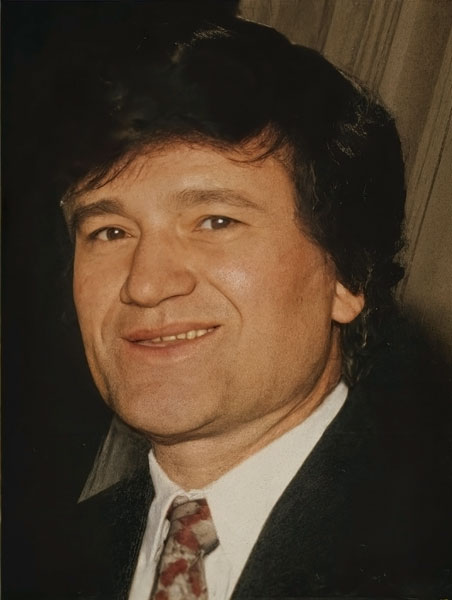
After completing his PhD, Theo was invited by David B. Scott, Dean of Dentistry at Case Western Reserve University to take up the academic post vacated by retiring Distinguished Professor of Oral Pathology, Dr Paul E Boyle. Following his 3-year appointment in Cleveland, Ohio, Theo returned with his young family to The University of Adelaide. After short periods in the Schools of Medicine in the Universities of Adelaide and Western Australia, he spent six months as Visiting Professor of Oral Medicine and Pathology at the invitation of Periodontist and Dean Harald Löe in The University of Connecticut School of Dental Medicine; Theo’s research with mutans streptococcal bacteria at UConn was conducted in the laboratory of Eminent Oral Microbiologist Dr Jason Tanzer.
In 1978-79 Theo Gotjamanos served as President of the Australia and New Zealand Division of the International Association for Dental Research and in 1983 was Organising Chair of the 61st General Session of IADR and the 9th International Conference of Oral Biology held in Sydney. Following a period in The University of Western Australia as Associate Professor of Oral Biology and Pathology and Chair of the School of Medicine’s Department of Pathology, in 2005 he was appointed Inaugural Professor of Pathology and Chair of the Discipline of Pathology, School of Medicine, The University of Notre Dame Australia in Fremantle, Western Australia. In 2013 UNDA’s medical students conferred on Theo the Award of Outstanding Educator of the Year.
In 1978-79 Theo Gotjamanos served as President of the Australia and New Zealand Division of the International Association for Dental Research and in 1983 was Organising Chair of the 61st General Session of IADR and the 9th International Conference of Oral Biology held in Sydney. Following a period in The University of Western Australia as Associate Professor of Oral Biology and Pathology and Chair of the School of Medicine’s Department of Pathology, in 2005 he was appointed Inaugural Professor of Pathology and Chair of the Discipline of Pathology, School of Medicine, The University of Notre Dame Australia in Fremantle, Western Australia. In 2013 UNDA’s medical students conferred on Theo the Award of Outstanding Educator of the Year.
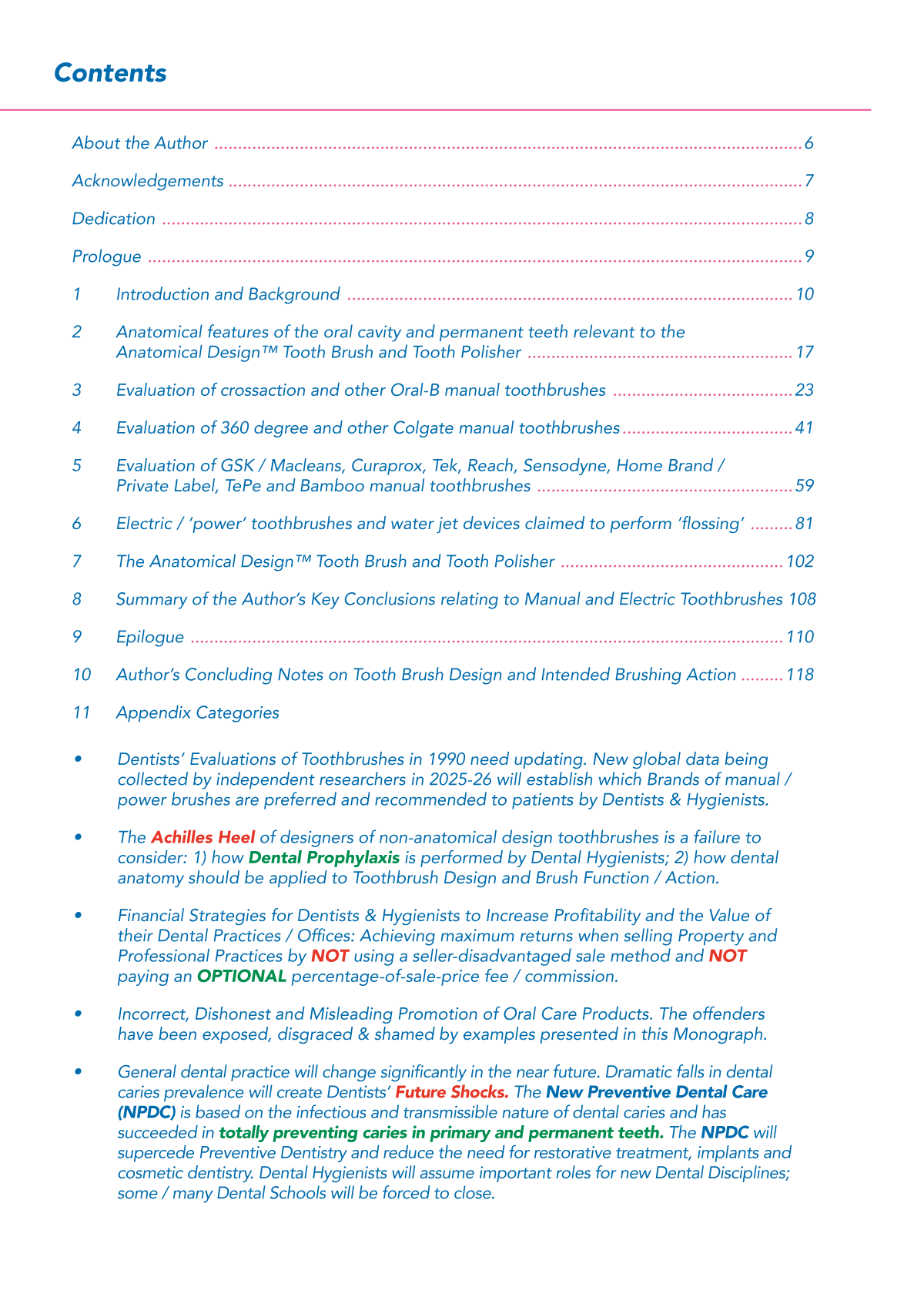
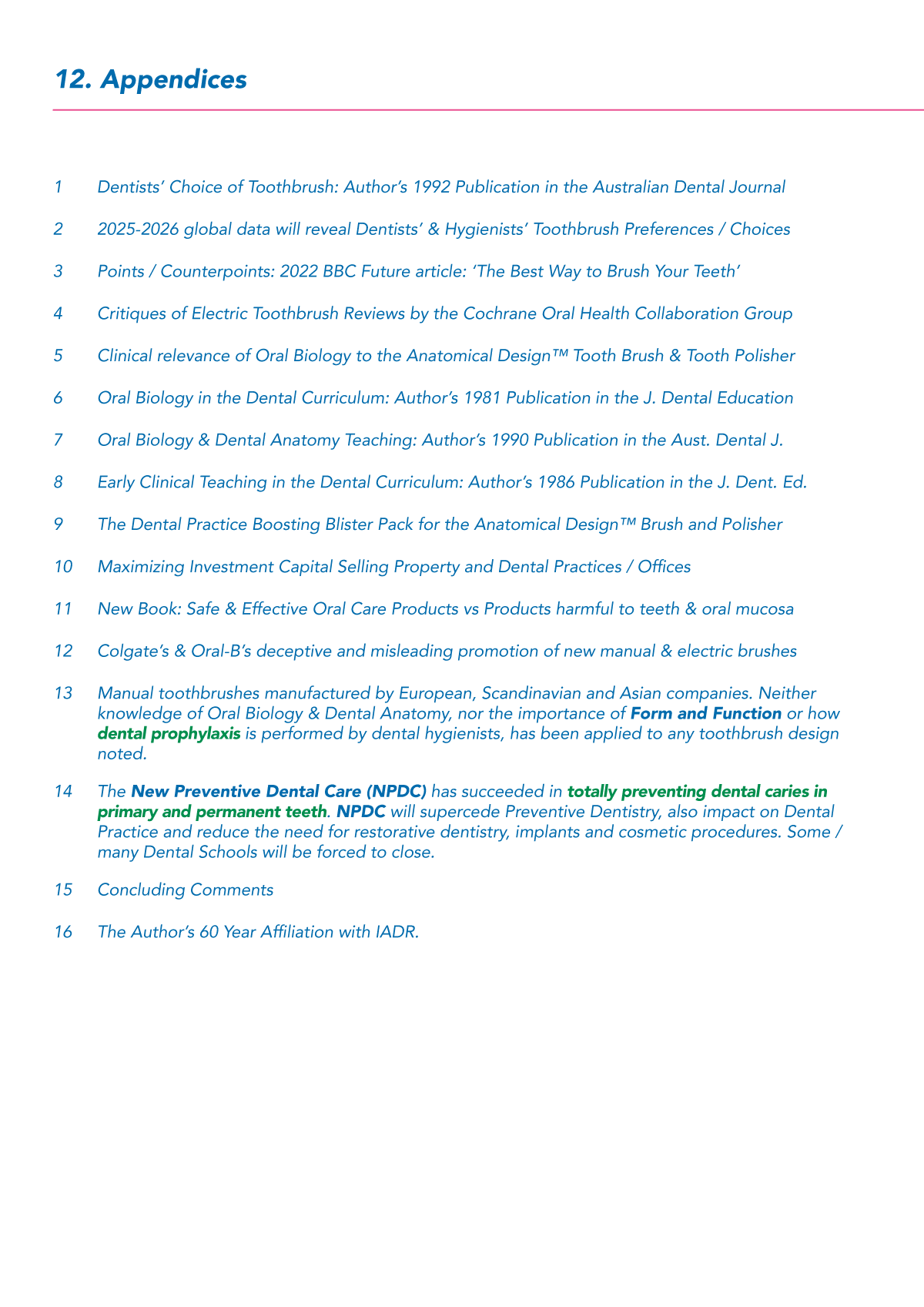
Chronology of Total Prevention of Dental Caries, beginning with Dr Theo Gotjamanos’ Commitment as a Dental Student to Help Eradicate the World’s Most Common Chronic Disease.
The 4th and 5th years of the BDS Program in The University of Adelaide included Children’s Dentistry. No caries-free child aged 2 to 6 yrs was assigned for clinical care to senior dental students. The Course Co-ordinator advised students that all their child patients displayed ‘a normal pattern of dental disease requiring treatment by dentists in private practice.’ To Theo Gotjamanos, the clinical scenario of children with several carious teeth, some with pulpal exposure, represented a very depressing picture of community dental health.
Theo Gotjamanos decided his professional future would include research into caries prevention. His first clinical / research paper written during his final year for the BDS Program was titled Thoughts on Dental Caries and published in Probe, the Adelaide Dental School’s Journal; this publication included TG’s assessment of general dental practice, plus an expression of hope:
The major part of a general dental practitioner’s time, knowledge and manual dexterity is devoted to the repair of carious teeth, endodontic procedures in pulpally involved teeth, the surgical removal of teeth destroyed by caries and the prosthetic restoration of dental arches mutilated by caries. Therefore, general dental practice revolves primarily around treatment of one disease, dental caries. The words of Dr Reidar Sognnaes: Prevention is the only rational solution, research the only hopeful approach (Science, 130: 3390, 1959), aptly summarized the task for researchers / clinicians seeking to discover how to eradicate caries. There is every reason to believe at some time in the future, major advances in caries research will establish the foundation for the complete control and elimination of the world’s most common chronic disease that affects billions.
Hope became reality in 2025 – fifty years after Theo Gotjamanos had served the School of Dentistry at Case Western Reserve University in Cleveland, Ohio as an Associate Professor of Oral Biology and Pathology, and had formed a strong professional relationship with the School’s new Dean Dr David B. Scott. Dr Scott had been the Director of National Institute of Dental Research, National Institutes of Health (NIH), Bethesda, Maryland, USA. In 1972 Dr Scott referred TG to Dr Paul Keyes from NIH who had established that dental caries is an infectious and transmissible disease in animals. Introductions followed to other dental scientists in the USA, Scandinavia and Europe who had investigated the role of bacteria in caries initiation in enamel and its progression through dentine.
In 1975 TG formulated a hypothesis for Total Prevention of Dental Caries in humans based on results of animal research studies and oral microbiological investigations in humans, notably early transfer of mutans streptococcal (MS) bacteria from mothers’ saliva to their infants’ mouths during close contact (cuddling, kissing). TG’s hypothesis postulated that parents could undertake the primary role for preventing caries in primary and permanent teeth by implementing key practical preventive STEPS to negate the impact of cariogenic MS bacteria on primary teeth; the preventive strategy underpinning TG’s New Preventive Dental Care included use by children of TG’s Australian-made toothpastes with very low fluoride to reverse enamel demineralization, plus a powerful naturally-occurring antimicrobial agent to detach MS bacteria from tooth surfaces.
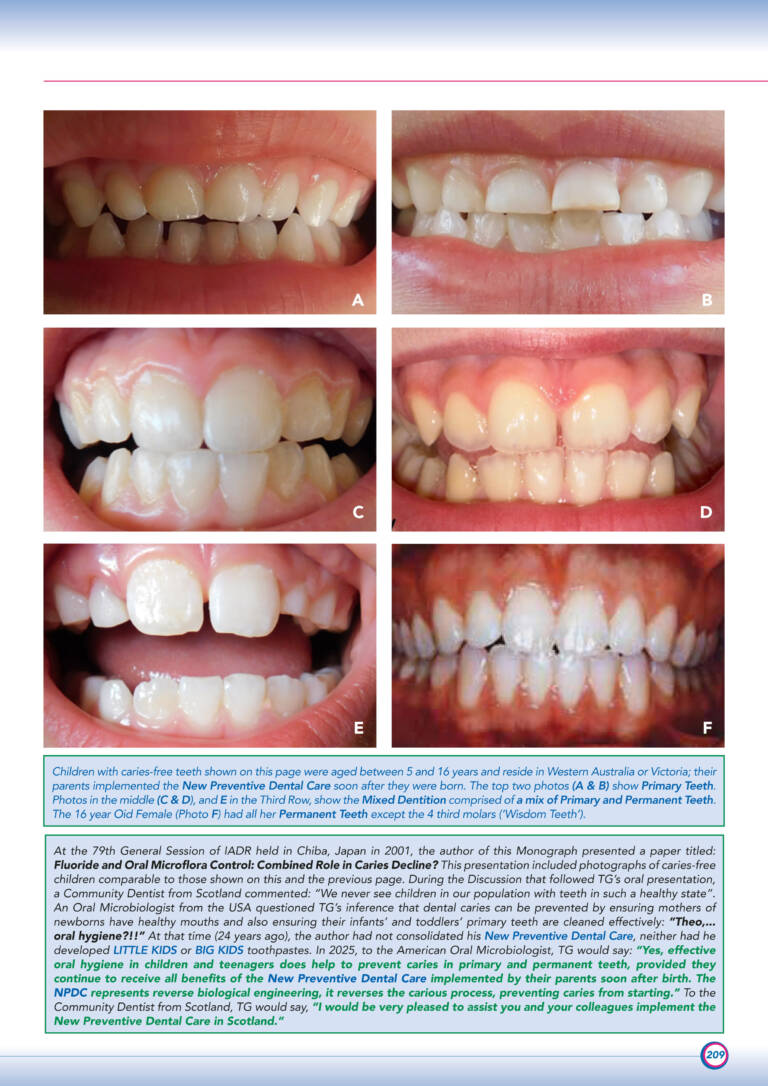
TG’s long-term clinical investigation began in 1979 in three States of Australia after he had spent 5 months working with MS bacteria in the laboratory of Dr Jason Tanzer, School of Dental Medicine, The University of Connecticut Health Centre, Hartford Connecticut. The highly favourable clinical outcomes of this 45-year + investigation on families with newborns that has required parents of newborns to implement the New Preventive Dental Care soon after birth of their babies have been most welcome: Caries-free Primary and Permanent Teeth as illustrated below; page 209 is from the Appendix segment of Theo Gotjamanos’ Monograph.
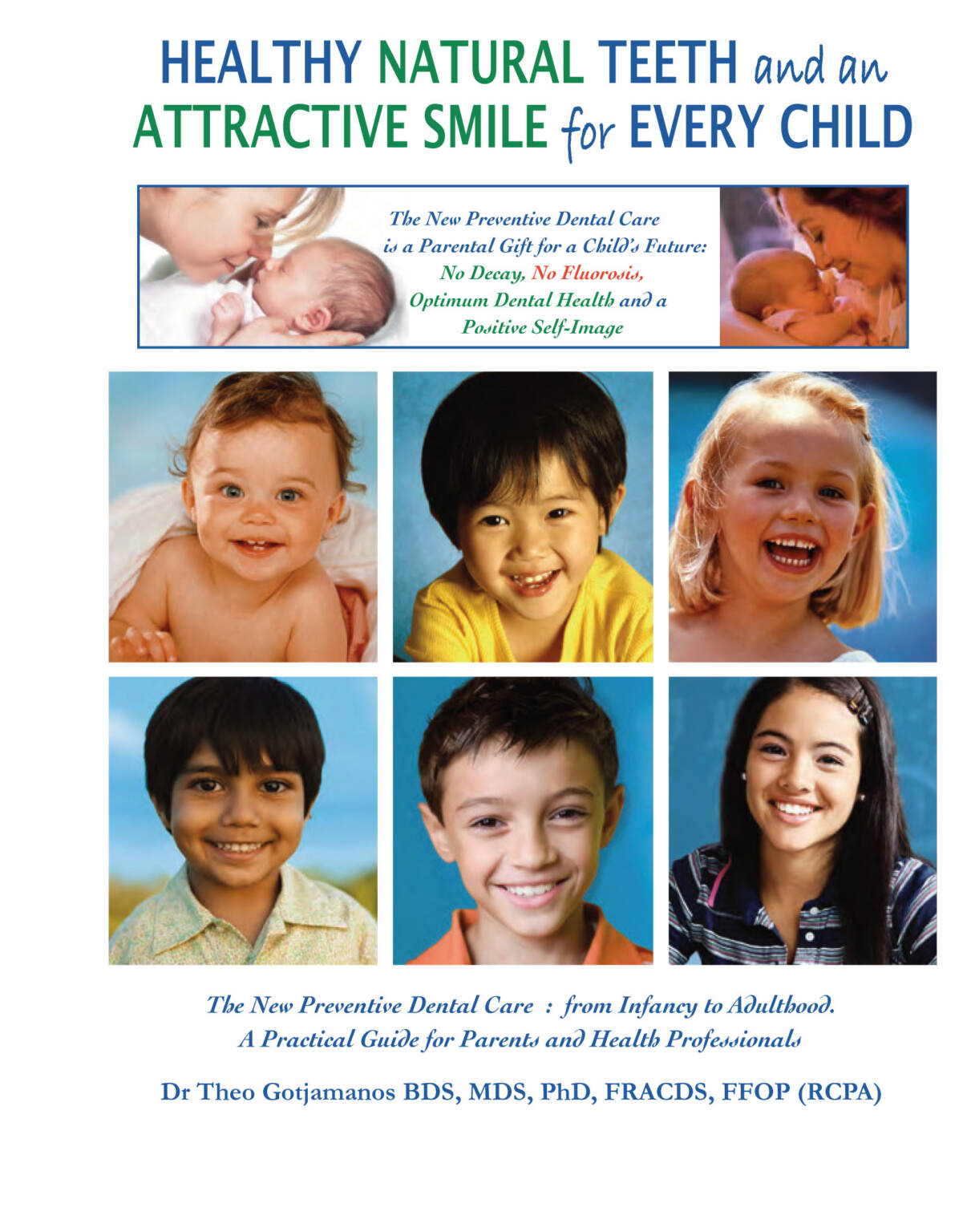
As a clinical scientist and preventive dental care clinician, Theo Gotjamanos looks back on a 60+ year professional career that began with his strong commitment as a dental student to help achieve Total Prevention of Dental Caries in humans and has seen this commitment become reality. Once Government Health Administrators endorse, and personnel attached to Health Departments around the World implement the New Preventive Dental Care via mothers with infants presenting at Community Maternal and Child Health Centres, future generations of children, teenagers and adults can be expected to enjoy healthy lives free of dental disease. Details of the New Preventive Dental Care are set out in TG’s next Book to be published in late 2026 (front cover included below).